
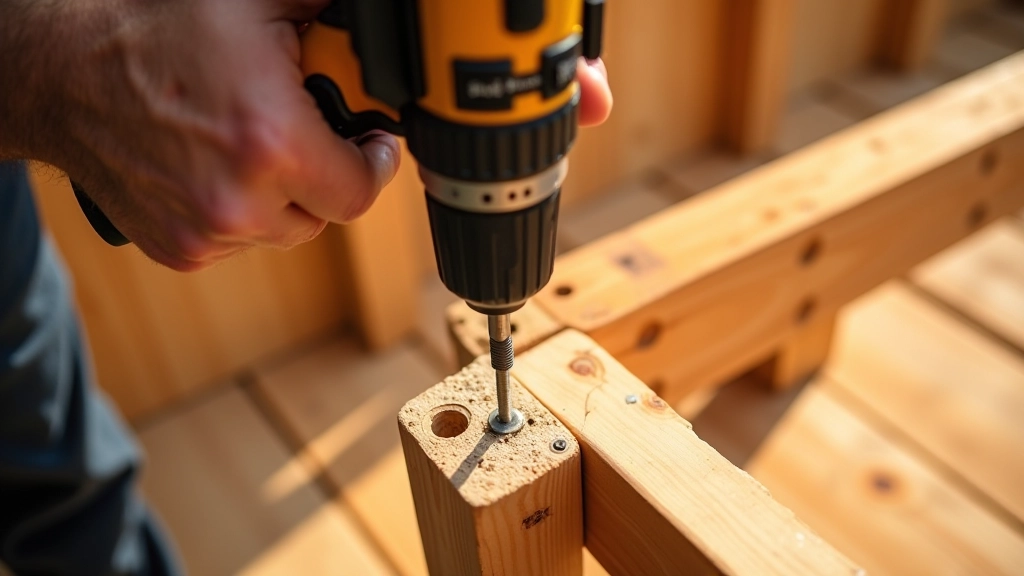
Step-by-Step Deck Construction Guide
From foundation to finishing touches. We cover framing, joist spacing, fastening techniques, and safety requirements for a solid, lasting structure.
Learn the differences between pressure-treated, cedar, and composite materials. We break down durability, cost, and maintenance requirements for each option.
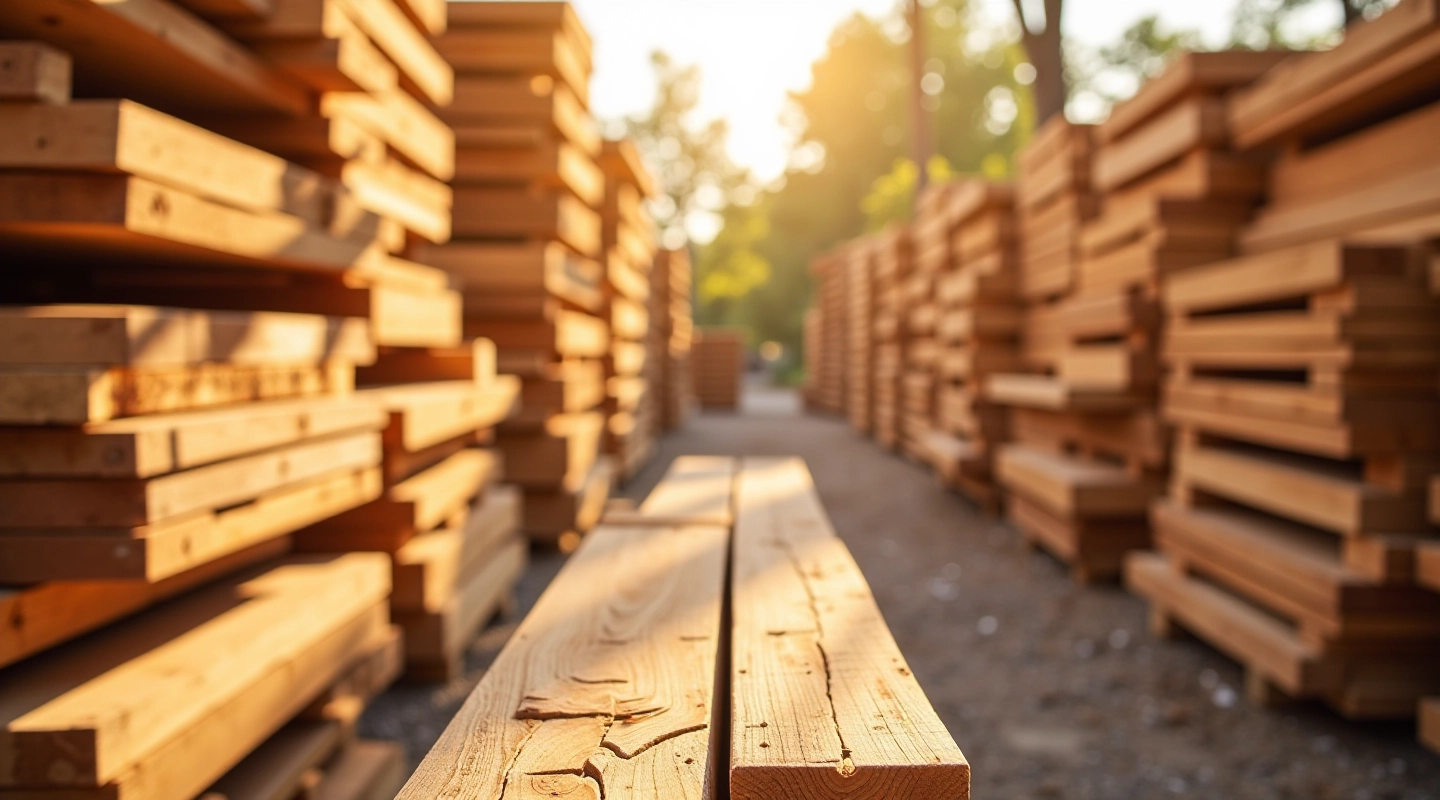
Building a deck isn't just about getting the frame up and calling it done. The wood you choose determines how long your deck lasts, how much time you'll spend maintaining it, and honestly, how much you'll enjoy using it.
We're not here to tell you there's one perfect option. There isn't. What we'll do is walk you through the main choices — pressure-treated lumber, cedar, tropical hardwoods, and composite materials. You'll see what each one does well, where it struggles, and what you should expect to spend in both money and maintenance hours.
Pressure-treated wood is what most people build with. It's affordable, widely available, and it'll last 15-20 years if you treat it right. The lumber gets forced through a pressure chamber that drives preservatives deep into the wood fibers. This protects it from rot and insects — the two biggest threats to any deck.
Here's what you need to know: Modern pressure-treated lumber uses copper-based preservatives, not the arsenic-based chemicals from decades past. It's safe to handle without special precautions. The wood will be slightly damp when you buy it, so you'll want to let it dry for a few days before building — about 10-14 days is typical in summer conditions.
The downside? It doesn't look fancy. Pressure-treated lumber has a yellowish or greenish tint initially, then weathers to a dull gray. If you want a more finished appearance, you'll need to stain or seal it annually. Plus, it can splinter more easily than cedar, so you might want to sand the walking surfaces.
Lifespan: 15-20 years | Maintenance: Annual sealing | Cost: Budget-friendly | Best for: Most DIY builders
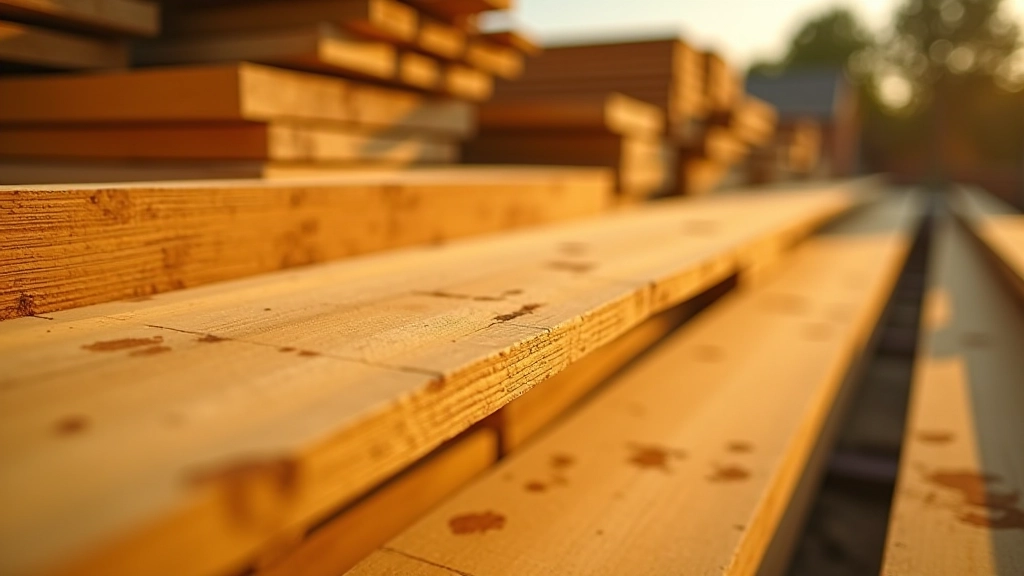
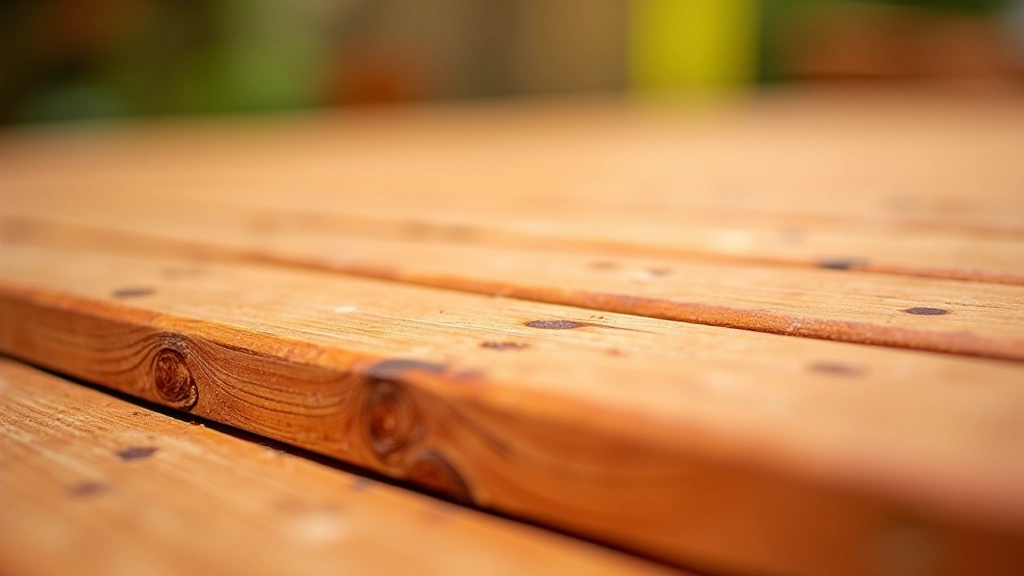
Cedar looks beautiful right out of the gate. It's a naturally rot-resistant softwood with a warm reddish-brown color and a tight, straight grain. If you want your deck to look premium without stain, cedar's your material. It doesn't require the same level of preservative treatment as pressure-treated wood because it resists decay on its own.
That said, cedar isn't perfect. It's more expensive than pressure-treated lumber — sometimes 2-3 times the cost. It's also softer, so it dents more easily. And you can't skip maintenance. Cedar will gray out without protection, usually within 6-12 months of exposure. If you want to keep that rich color, you'll need to apply a sealant every 1-2 years.
The wood is also prone to checking — small cracks that develop as the surface dries faster than the interior. These aren't structural problems, but they're visible. Some people like the rustic character. Others find it frustrating. Cedar typically lasts 10-15 years before significant replacement becomes necessary.
Deck durability and maintenance needs vary based on your specific climate, local weather patterns, and how consistently you maintain your deck. This guide provides general information about wood types. Your actual experience will depend on factors like humidity, sun exposure, and rainfall in your region.
Composite decking blends wood fibers with plastic, creating a material that doesn't rot, splinter, or require staining. If maintenance is your biggest concern, composite might be worth the investment. You're mainly looking at occasional cleaning with a brush and mild soap.
The trade-offs? Composite costs significantly more upfront — often 50-100% more than pressure-treated wood. It can fade in sunlight, especially darker colors. And honestly, it doesn't feel quite like wood under your feet. Some people love the consistency and uniformity. Others miss the natural variation.
Composite decks can last 25-30 years, which is longer than most wood options. But they can also develop surface issues like mold or algae growth in damp climates. And if you ever need to repair a section, you can't just replace one board — manufacturers discontinue colors and patterns, so matching becomes tricky.
| Material | Lifespan | Maintenance |
|---|---|---|
| Pressure-Treated | 15-20 years | Annual sealing |
| Cedar | 10-15 years | Every 1-2 years |
| Composite | 25-30 years | Occasional cleaning |
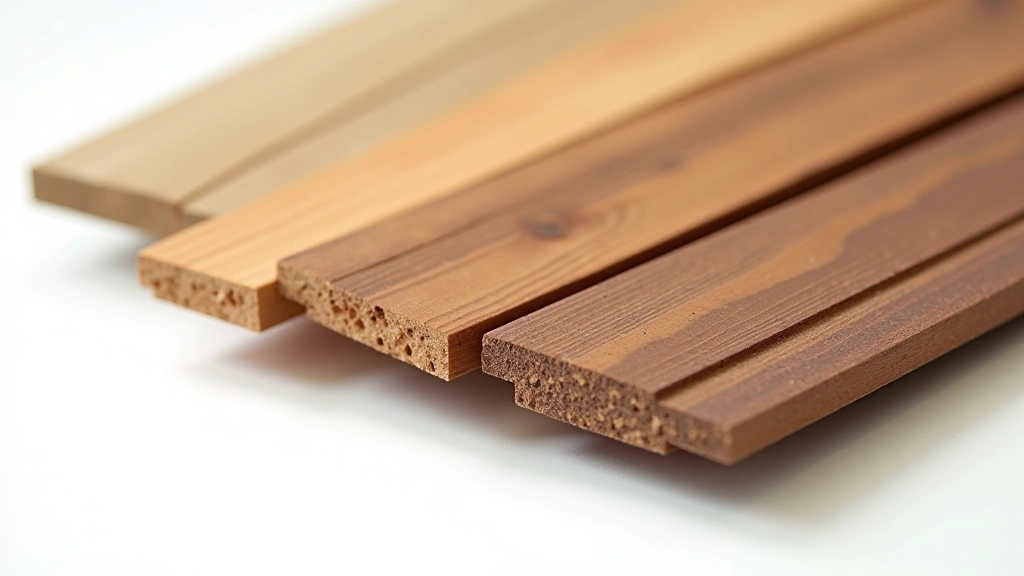
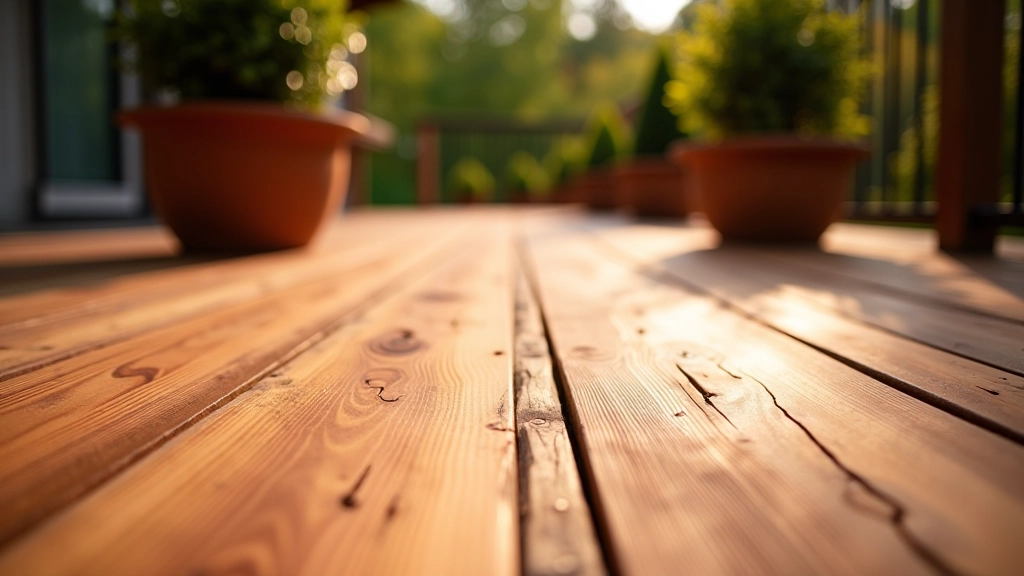
Tropical hardwoods like ipe and cumaru are exceptionally dense and durable. They're harder than cedar, resistant to rot and insects, and they'll last 25-30 years without significant degradation. If you're building a deck that you want to forget about for decades, this is a serious option.
The cost is high — comparable to composite materials or higher. More importantly, you'll need specialized fasteners and tools. These woods are so hard that standard nails and screws don't work well. You'll want stainless steel or specialty fasteners rated for dense hardwoods, and drilling pilot holes is absolutely necessary to prevent splitting.
There's also an environmental consideration. While responsibly harvested tropical hardwoods exist, the market is complex. If sustainability matters to you, you'll want to research the source carefully. Some builders prefer pressure-treated or composite specifically because of these concerns.
Tropical hardwoods do benefit from occasional sealing to maintain appearance, though they're not as demanding as cedar. The color will gradually mellow over time, developing a silver-gray patina if left untreated.
Pressure-treated lumber is the way to go. It's affordable, accessible, and reliable for 15-20 years with basic maintenance. Plan for annual sealing and expect the gray weathered look unless you stain it.
Cedar gives you that warm, natural wood aesthetic from day one. You'll invest more money upfront and commit to regular maintenance, but the payoff is a deck that looks intentional and beautiful.
Composite materials let you enjoy your deck without constant upkeep. The higher initial cost pays dividends over 25-30 years of minimal maintenance. Just accept that the look is different from natural wood.
Your choice comes down to three things: how much you want to spend now, how much work you're willing to do later, and what aesthetic appeals to you. There's no universally right answer. What works for someone building a small platform deck might not work for a large, visible structure.
Whatever you choose, buy quality materials from a reliable supplier. Cheap lumber of any type will disappoint you. Talk to local builders or neighbors about what they've used — they'll have real experience with how these materials perform in your climate. That local knowledge is often more valuable than any general guide.
Once you've selected your material, you'll be ready to move forward with the structural design. The next step is understanding joist spacing, beam sizing, and foundation requirements — all critical to building a deck that's both safe and long-lasting.
Author
Editorial Team
Written by the drexoholm Editorial Team, focused on practical, transparent guidance for DIY wooden deck building.
From foundation to finishing touches. We cover framing, joist spacing, fastening techniques, and safety requirements for a solid, lasting structure.
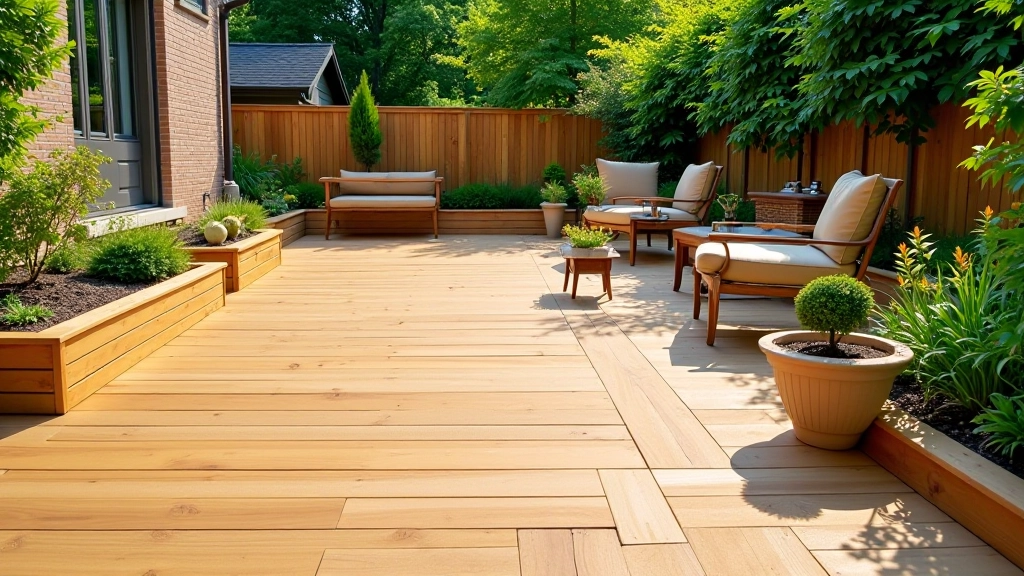
Protect your investment with proper sealing. We explain the differences between sealers and stains, application techniques, and long-term maintenance schedules.
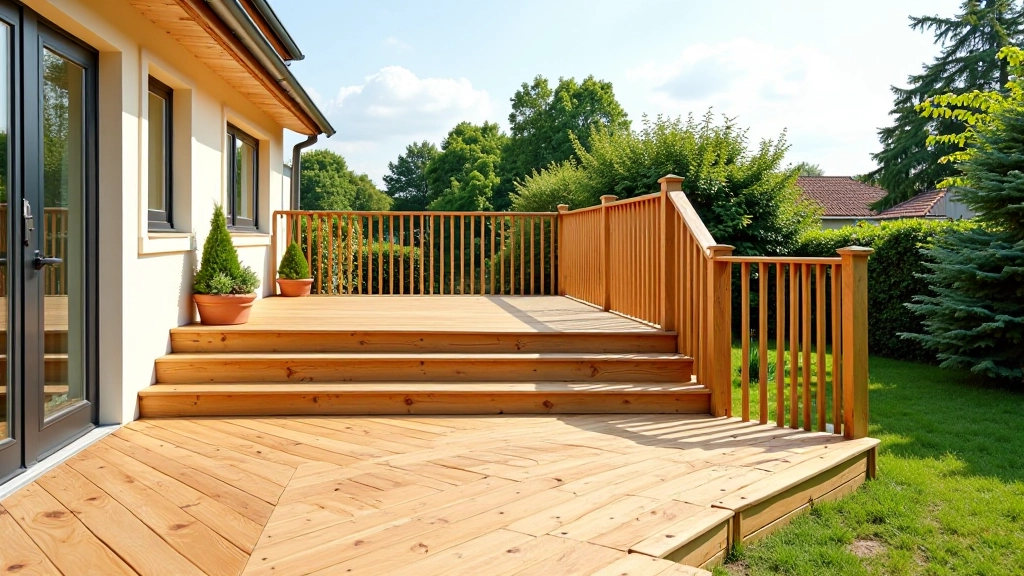
Plan your deck layout with purpose. We cover safety codes for railings and stairs, design principles, and how to maximize your outdoor space responsibly.