
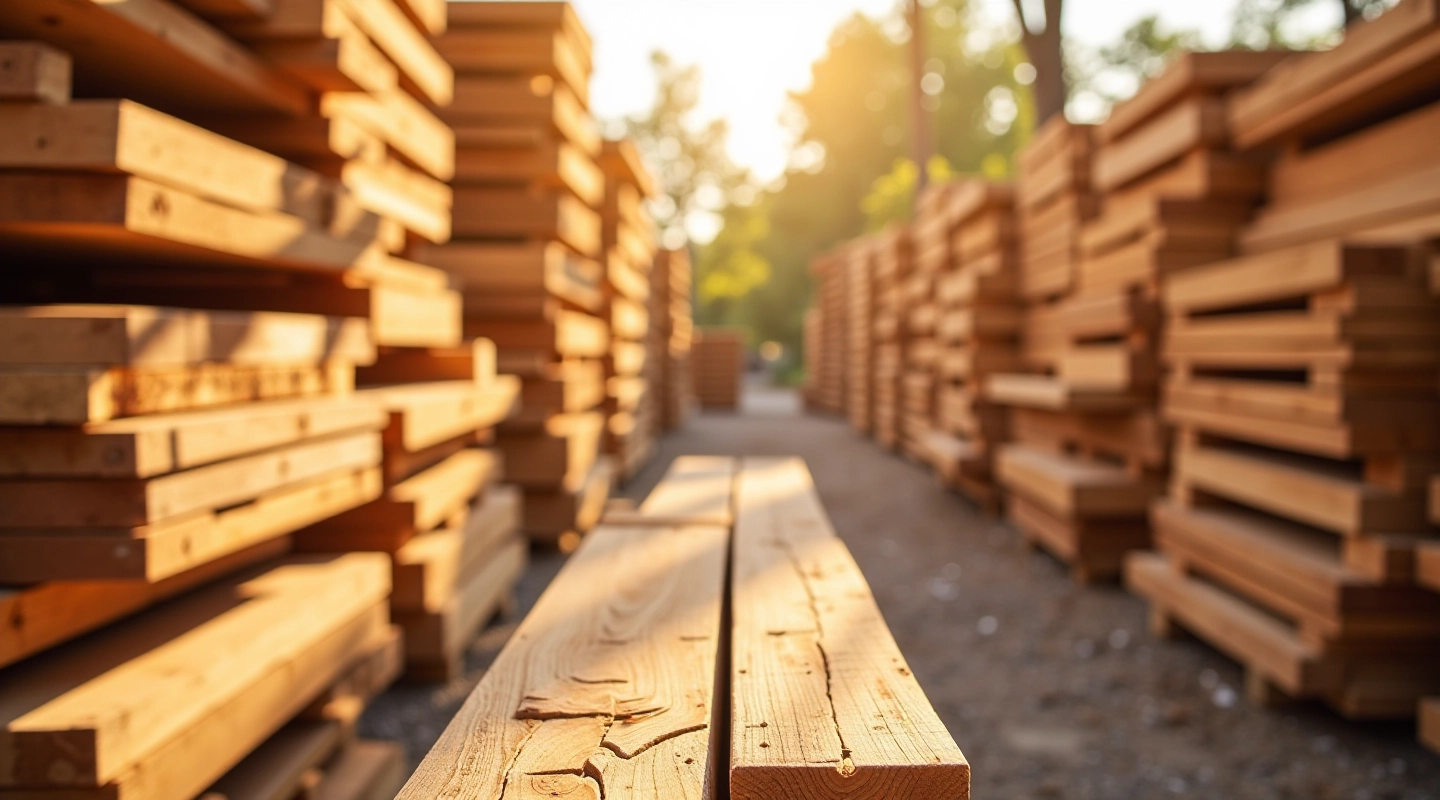
Choosing the Right Wood for Your Deck
Learn the differences between pressure-treated, cedar, and composite materials. We compare durability, maintenance, cost, and appearance so you can choose what works for your project and budget.
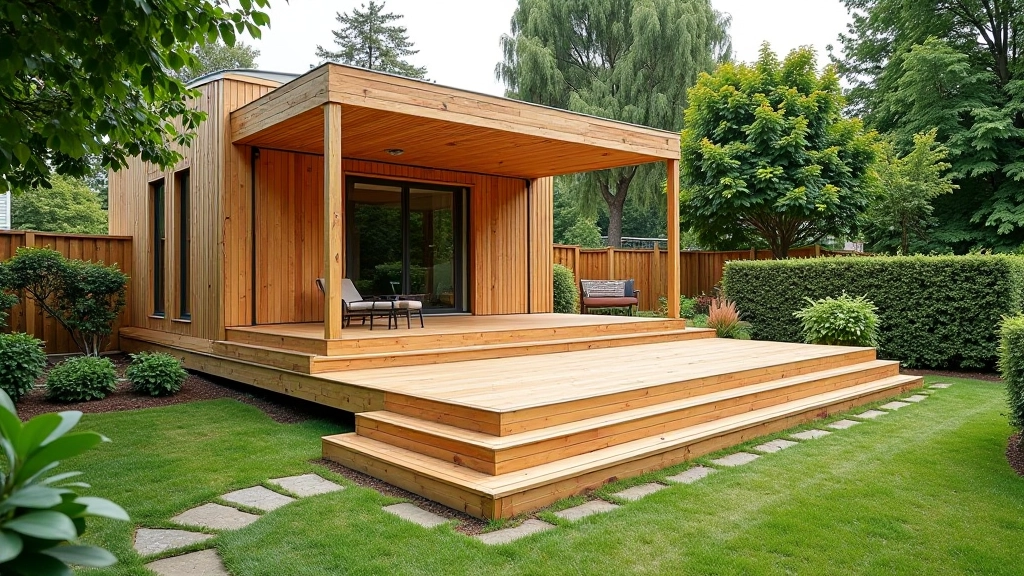
Plan your deck layout with purpose. We cover safety codes for railings and stairs, design considerations for small spaces, and how to integrate your deck with the existing landscape.
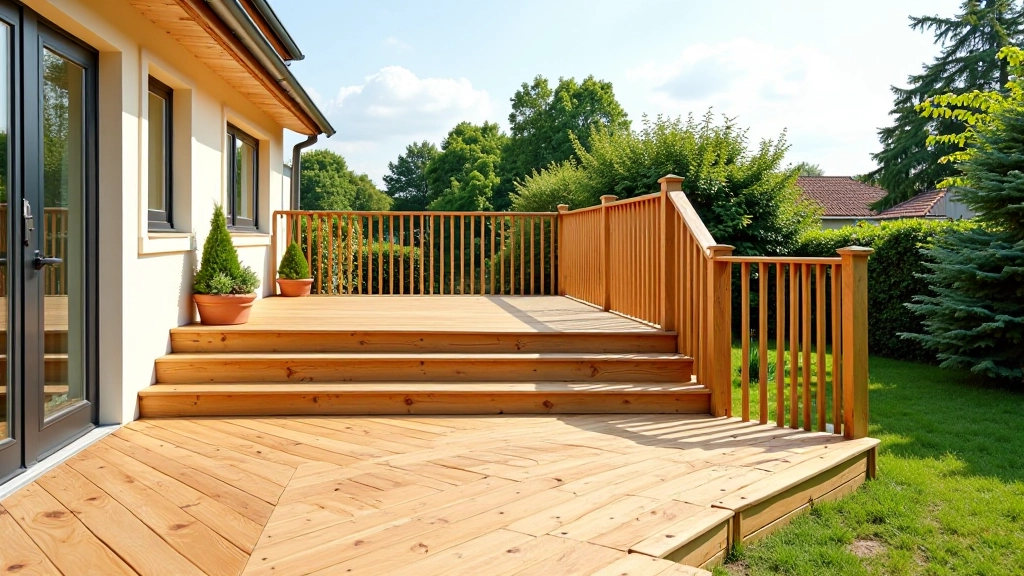
A great deck doesn't just happen. It's the result of thoughtful planning that considers safety codes, your space, and how you'll actually use it. We're not talking about something that looks impressive in photos — we're talking about a deck that'll serve your family well for years. The design phase is where you catch problems before they become expensive fixes during construction.
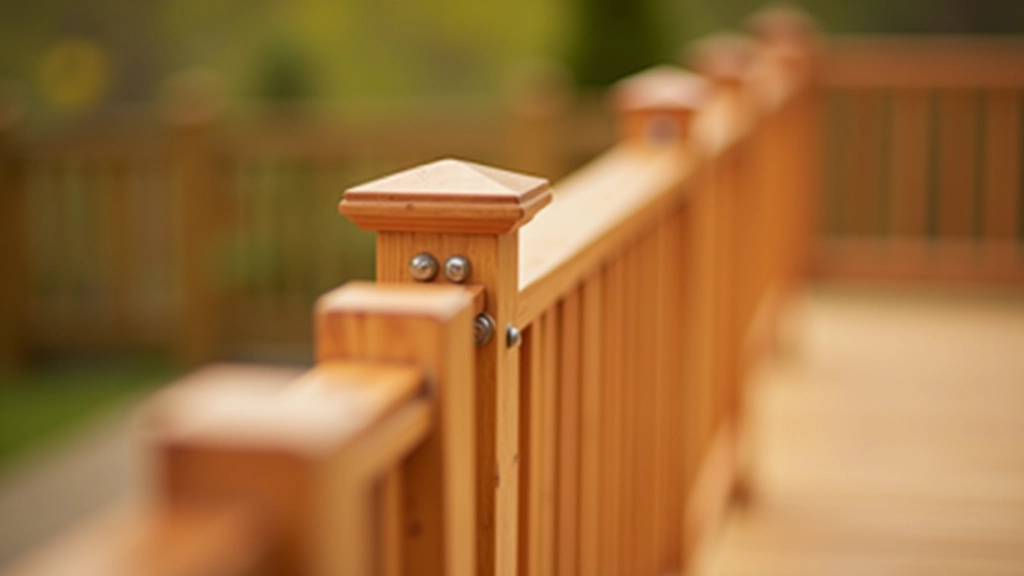
Every municipality has specific regulations about deck construction. In Lithuania, you'll need to check with your local building authority — they've got rules about railing height (typically 90-105cm), baluster spacing (maximum 10cm between vertical posts), and stair treads. These aren't arbitrary numbers. They're based on decades of data about what prevents injuries.
The good news? You don't need to memorize all of it. Most local authorities publish guides, and a good contractor knows the rules by heart. But you should understand the basics before you start planning. A deck that violates codes won't pass inspection, and you'll be tearing it down to rebuild it correctly. That's frustrating and expensive.
Railing requirements vary by deck height. If your deck is under 60cm high, you might not need railings at all (depending on location). Above that height, railings become mandatory. And if you've got stairs leading down, those need their own safety specifications — handrails, tread depth, and step rise all have specific measurements.
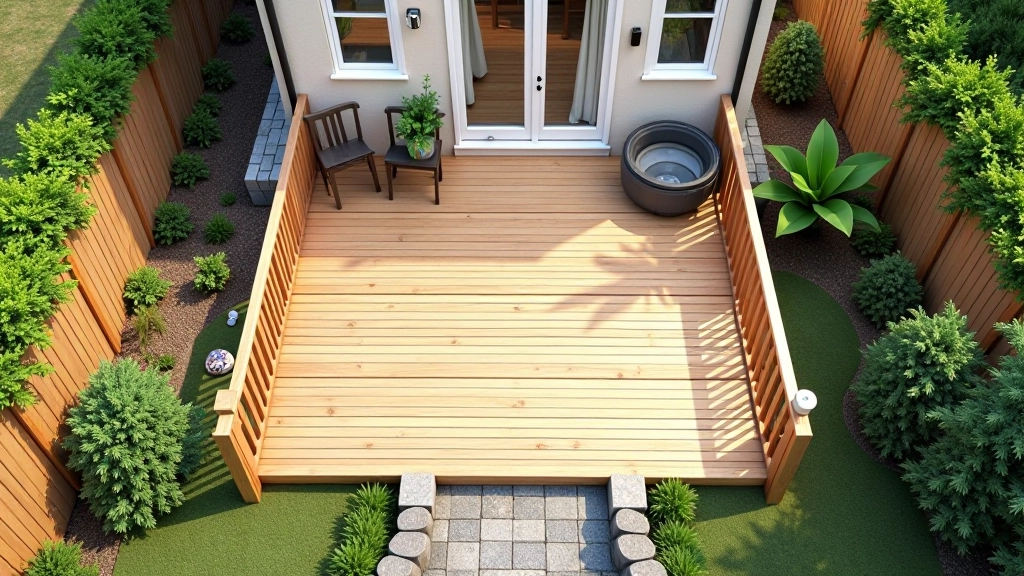
Not everyone's got a sprawling backyard. If you're working with limited space — say, 3 by 4 meters or smaller — you need a smarter design approach. Don't just build a standard rectangular platform. Think about what you actually need. Is it a place to sit with morning coffee? A small dining area? Storage underneath?
A few practical ideas: built-in benches save space compared to chairs. Multi-level designs can make a small area feel larger and more interesting. Vertical railings with clear spaces let you see through to the landscape beyond — that opens up the visual space. And choosing materials wisely matters. Lighter wood or composite colors make small decks feel less cramped than dark finishes.
One thing we see work really well? Connecting your deck to the house entrance. If your back door opens onto the deck without a threshold, it feels like an extension of your living space rather than a separate structure. That psychological shift actually makes small decks feel bigger in practice.
The best decks don't feel like they're fighting the landscape. They work with it. That means thinking about sun exposure, existing trees, slopes, and drainage. A deck that gets brutal afternoon sun? You'll want shade solutions — maybe an pergola or sail shade that keeps the heat manageable. Trees that drop leaves in autumn? You'll want easy cleanup, so smooth surfaces beat textured ones.
Slope and drainage are critical. If your yard slopes, build your deck level or slightly elevated to avoid water pooling underneath. Water pooling causes rot and attracts insects. A properly designed deck actually has air flow underneath — don't build it flush against the ground. You need at least 15-20cm clearance for ventilation and inspection.
Consider sight lines too. Where will people naturally look when they're on the deck? Frame views of gardens, trees, or landscapes that you want to emphasize. Position the deck so that the best view from your sitting area is actually visible. It's the difference between a deck you enjoy and a deck you tolerate.
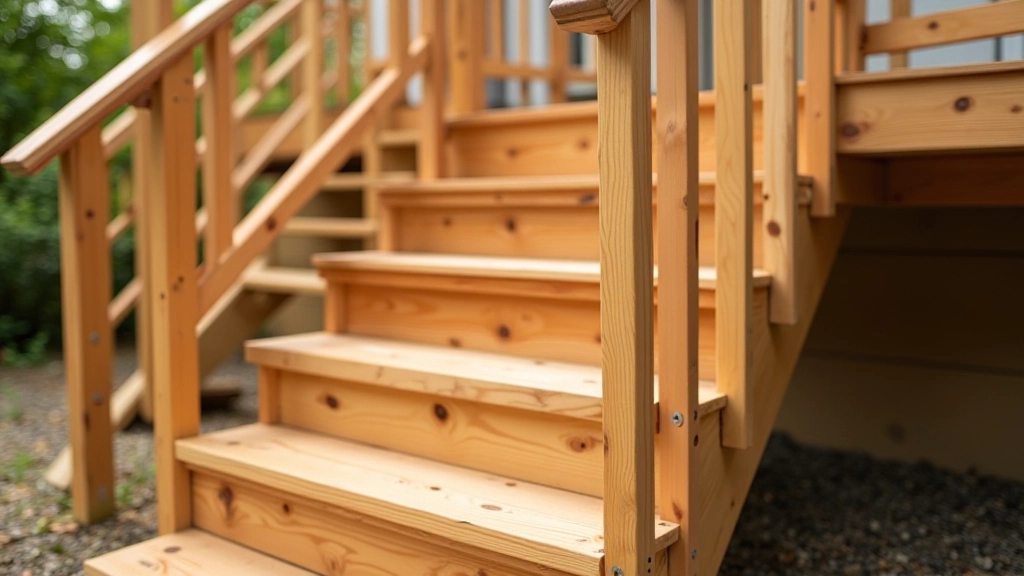
If your deck sits more than a meter off the ground, you'll need stairs or a ramp. Both have specific safety requirements. Stairs typically need a maximum rise of 19cm per step and a minimum tread depth of 25cm. These measurements feel small when you're planning, but they make a huge difference in how safely people move up and down.
Handrails aren't optional on stairs — they're mandatory in most places. They should be between 80-95cm high, easy to grip (diameter of about 3-4cm for wood), and support significant force without moving. People rely on handrails more than you'd think, especially children and older adults. Build them solid.
If you're designing a ramp instead, the slope matters enormously. A 1:12 ratio (1cm rise for every 12cm length) is standard and manageable. Steeper than that and you've got an accessibility problem. Ramps also need handrails and non-slip surfaces. Slippery ramps are genuinely dangerous, especially in wet conditions.
Good deck design isn't about fancy features. It's about understanding what you need, following safety codes, and building something that works with your specific space. Spend time on the planning phase. Sketch ideas. Visit similar decks in your neighborhood. Talk to your local building authority about their requirements. These steps upfront save you from costly mistakes later.
A well-designed deck becomes part of your home life. You'll use it more. Your family will be safer. And you won't be frustrated with design problems that should've been caught on paper, not during construction. That's what thoughtful design delivers.

Editorial Team
Written by the drexoholm Editorial Team, focused on practical, transparent guidance for DIY wooden deck building.
Learn the differences between pressure-treated, cedar, and composite materials. We compare durability, maintenance, cost, and appearance so you can choose what works for your project and budget.
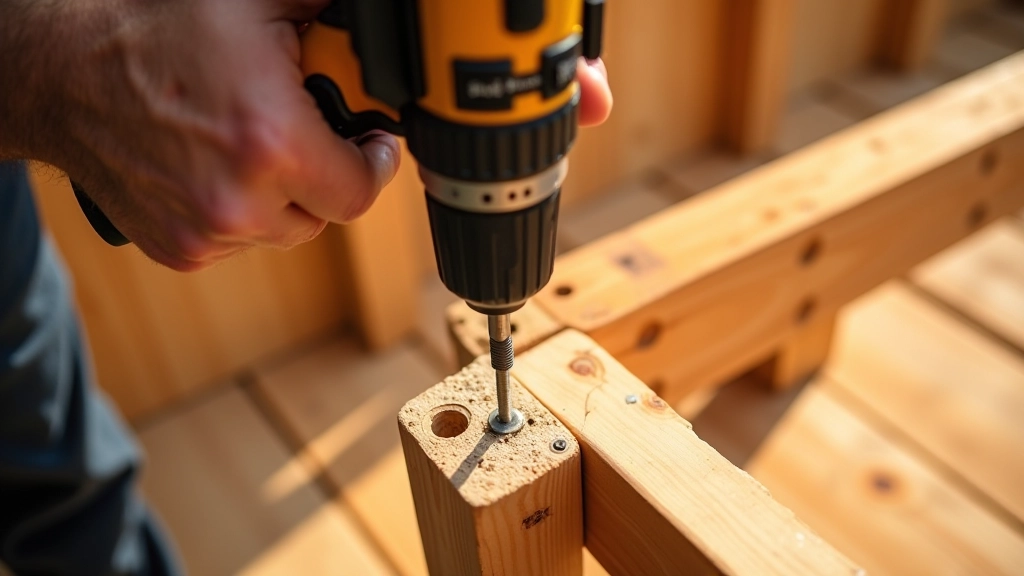
From foundation to finishing touches. We cover framing, joist spacing, fastening techniques, and final details. Follow along whether you're building your first deck or your tenth.
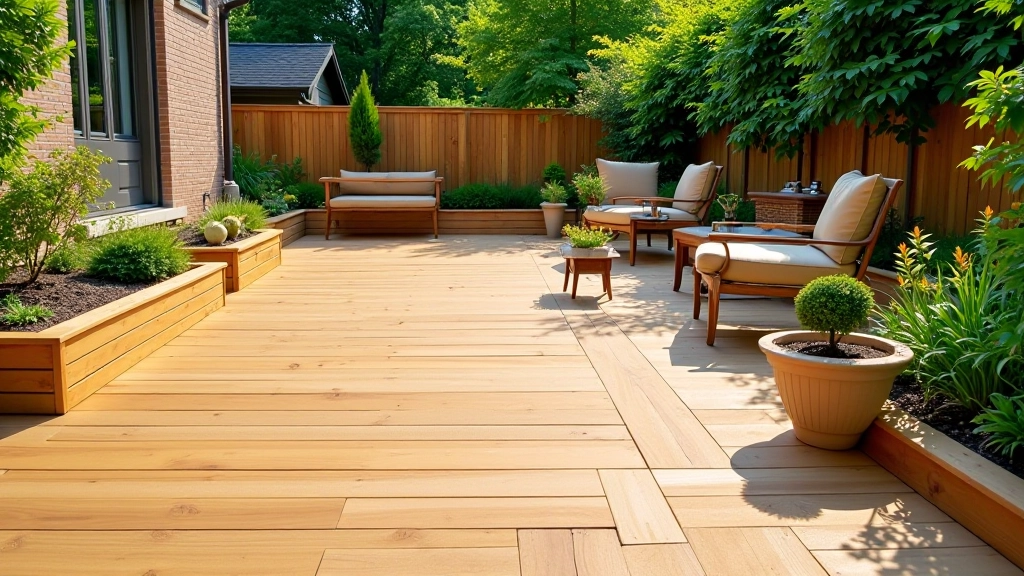
Protect your investment with proper sealing. We explain the differences between stains, sealers, and protective coatings. Learn how often to reapply and what to avoid.